
PHOTO
STATE MATTERS
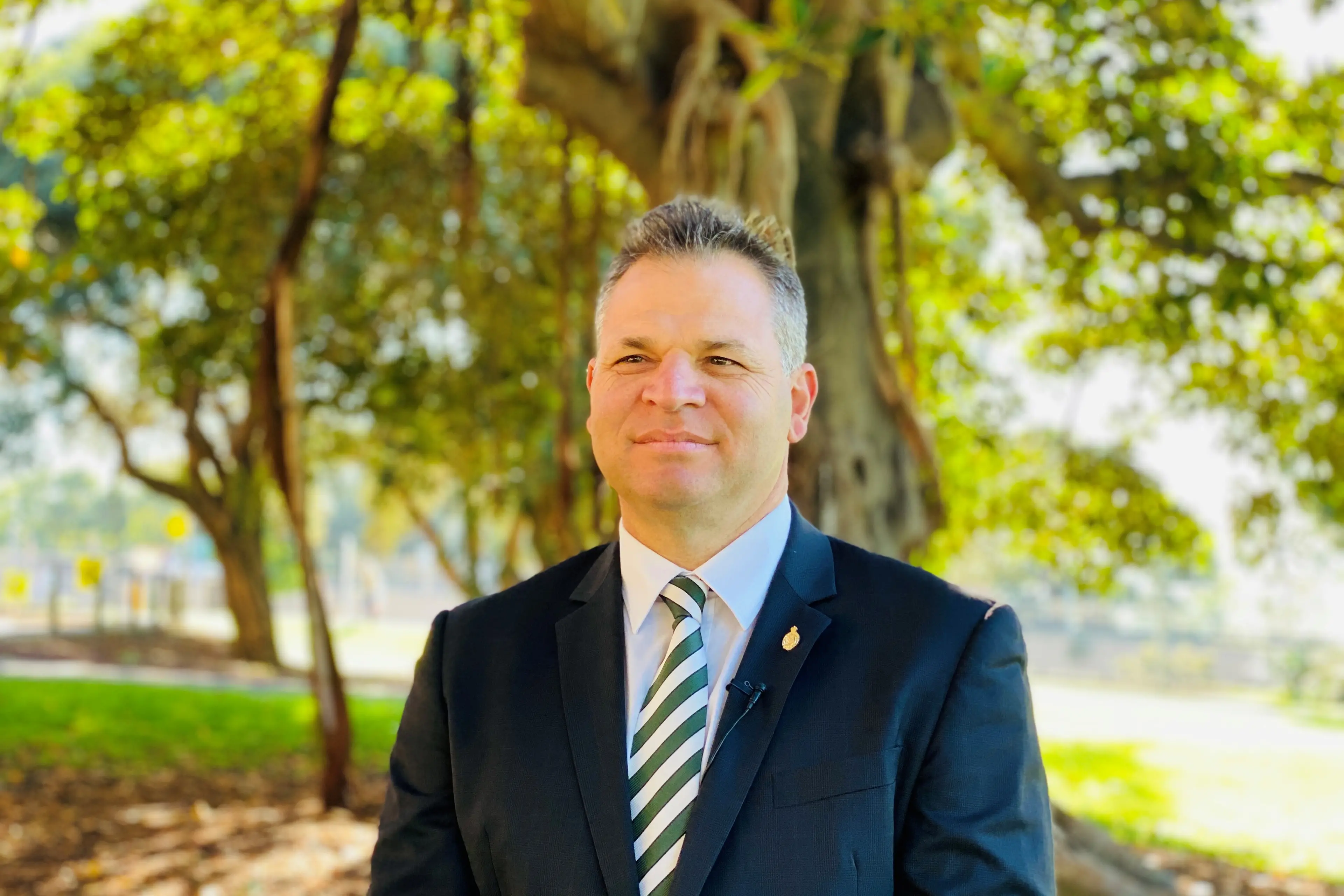
Orange MP Phil Donato
The tragic death of a 74-year-old grandfather in western Sydney has reignited a difficult but necessary conversation about how NSW manages forensic mental health patients transitioning back into the community.
It is alleged the elderly gentleman died after being viciously attacked by a man named Corum Ash, who is believed to have been released from a forensic mental health facility at Orange in recent months.
While the circumstances surrounding the case remain under investigation and the facts will ultimately be determined through the legal process, this tragic incident has prompted renewed scrutiny of the decisions made by the Mental Health Review Tribunal (MHRT).
For me, this case represents more than an isolated tragedy - it reflects what I have warned would happen. My gravest fears have, tragically, been realised.
I have expedited written representations to the Minister for Mental Health Rose Jackson, requesting an urgent investigation into the alleged release of the accused from Bloomfield Mental Health Facility and the events that followed.
Throughout 2025 and into 2026, I delivered a series of speeches in Parliament questioning whether the MHRT have become too heavily focused on the rehabilitation and freedoms of forensic patients, while giving insufficient weight to the interests of victims and the wider community.
This followed a series of incidents locally; in one case a forensic patient who had committed homicide was allowed unsupervised day release and used dating apps to communicate with young unsuspecting women who had no knowledge of his violent past.
Another was a forensic patient who also had previously committed homicide and had absconded while on unsupervised leave – and this wasn’t his first time, either.
The challenge is not whether people with mental illness deserve treatment and opportunities for rehabilitation. They do.
Modern mental health care rightly seeks to help people recover wherever possible.
But what must be kept first and foremost in mind, is that forensic patients have committed a serious criminal act.
The question is whether the safeguards protecting the public are sufficiently robust when dealing with individuals with histories of serious violence.
This onus ultimately rests with the MHRT, and perhaps a strong case for liability if they get it wrong.
When tragedies such as the one recently in western Sydney, the community understandably asks why were the warning signs missed and whether the MHRT’s decisions were subject to enough independent scrutiny.
Earlier this year I successfully lobbied for a parliamentary inquiry into the MHRT. The inquiry will examine what shortcomings exist in the management of forensic patients and whether greater transparency, accountability and public confidence can be achieved.
Hearings are expected to be held in the coming months.
The 2017 Whealy Review concluded that although the legislative framework was generally appropriate, greater consideration should be given to the interests and safety of victims alongside those of forensic patients.
Nearly a decade later, I and many others would argue that many of those concerns remain unresolved.
The current parliamentary inquiry offers an opportunity to examine whether the system has evolved sufficiently or whether further reforms are required.
Among the proposals being advanced are greater transparency in MHRT decision-making, independent oversight of release decisions, and stronger consideration of victim impact and community safety.
Whatever conclusions the inquiry ultimately reaches, one point is difficult to dispute.
Public confidence depends not only on a system that promotes rehabilitation, but also on one that convincingly demonstrates community safety is a central consideration in every decision involving high-risk offenders.
The recent death of the elderly man in Sydney has understandably shocked the community.
If the investigations identify failures in the system, those lessons should be acted upon.
If they do not, the public still deserves clear explanations about how decisions are made and what safeguards exist to minimise future risk.
Maintaining public trust requires a system that is transparent, accountable and capable of demonstrating that both objectives of patient care and community safety receive equal consideration.