
PHOTO
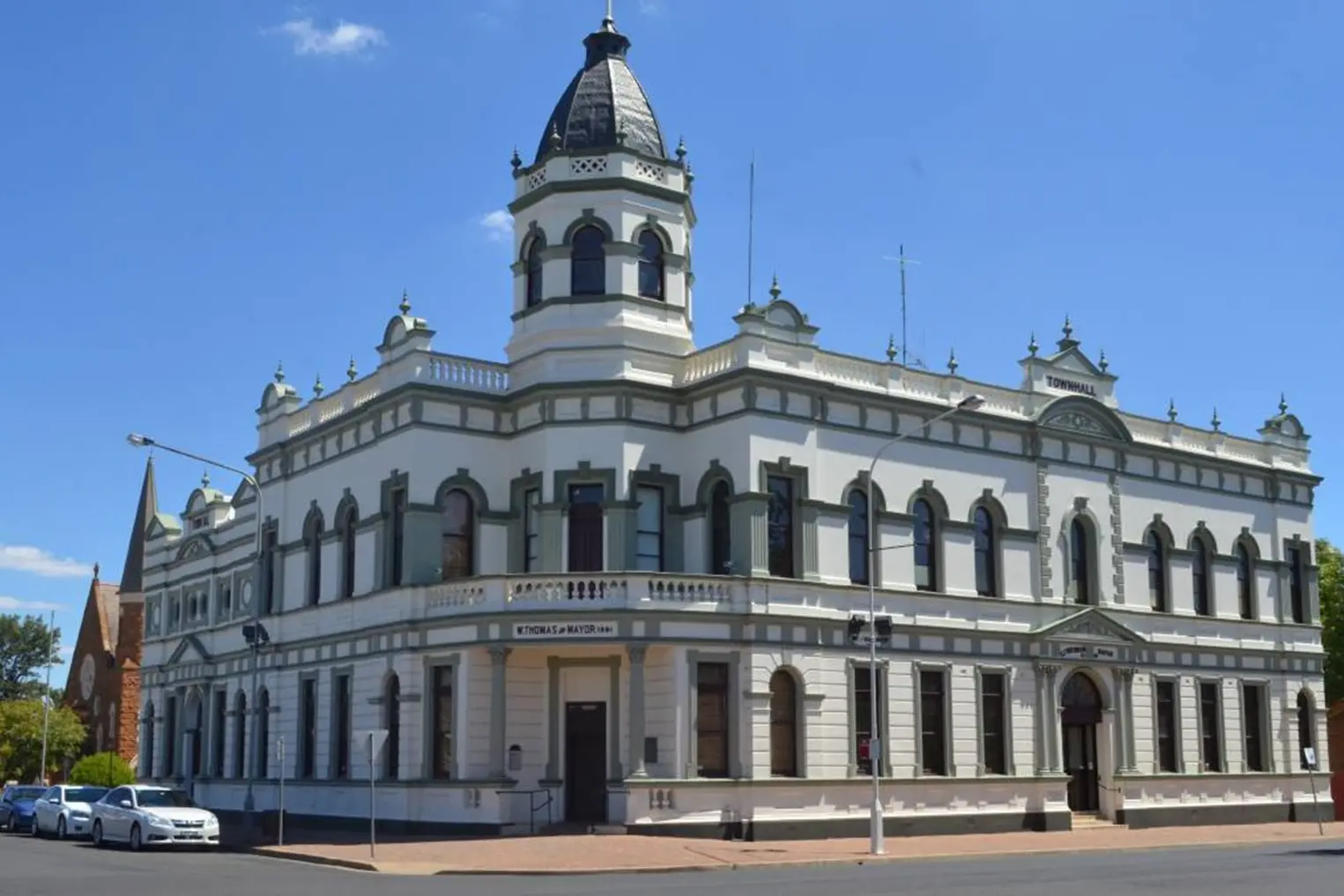
A 3.1 per cent general rates increase and $21 million capital works program are features of the draft Forbes Shire Council 2026 / 2027 budget, which is described as taking a “pragmatic and responsible approach”.
The council’s draft operational plans, fees and charges for the coming financial year are now on display for community feedback, with councillors to consider public comment before adopting the plan.
In the draft, general purpose rates will increase 3.1 per cent in line with the rate peg set by IPART, but water use charges will increase to $2.01 per kilolitre– up from $1.88 – a near seven per cent increase to fund major capital upgrades in the future.
The staff report to the council meeting points out that figure is still “considerably lower” than water charges in neighbouring councils, which range from $2.18 to $5.20 per kilolitre.
The other significant increase is in waste charges, which council proposes to increase eight per cent to cover increased operating costs and help fund the waste expansion project.
Water projects total $7 million of a planned $21.137million for the financial year, with the funds marked for work on a fourth bore and the duplication of the main to the water treatment plant.
There is also $250,000 for the Camp Hill Reservoir replacement in 2027, with another $275,000 marked for 2028.
$2.8m is marked for the staged expansion of the Daroobalgie tip, $2.1 million on sewer projects and $2.7 million on road-related capital expenditure.
Council’s interim general manager Stephen Dunshea, in the foreward of the draft plan, says the budget takes a pragmatic and responsible approach as the council continues to operate amid global and national uncertainty.
Overall, it is a balanced cash budget with a small ($14,000) surplus, the report to council’s May meeting said.
“Ongoing geopolitical instability, supply chain disruption, labour pressures and market volatility are influencing costs, material availability and project delivery,” Mr Dunshea’s foreward said.
“Rising fuel prices and periodic supply constraints present particular challenges for regional councils, directly affecting transport, construction, waste services and the management of a large rural asset network.
“While these pressures are largely outside local control, they have real implications for service delivery and financial capacity.”
In response, Mr Dunshea said, the council’s plan prioritises essential services and core infrastructure, strengthens asset management and renewal planning, and embeds flexibility to better manage volatility and risk.
“Disciplined financial management, careful project sequencing and regular review of assumptions will be critical to maintaining organisational resilience,” he said.
The draft Delivery Program 2025-2029, Operational Plan 2026/27, Statement of Revenue Policy 2026/27 (Budget), Schedule of Fees and Charges 2026/27 and Long-Term Financial Plan 2026-2036 are available under public exhibitions on the council website – forbes.nsw.gov.au – or at the council’s administration offices.
All submissions must be received in writing by Council, addressed to the General Manager, by 10pm on 18 June 2026, either by email to forbes@forbes.nsw.gov.au, via post: PO Box 333, Forbes NSW 2871 or at Council’s Administration Office at 2 Court Street, Forbes.