PHOTO
76042.0
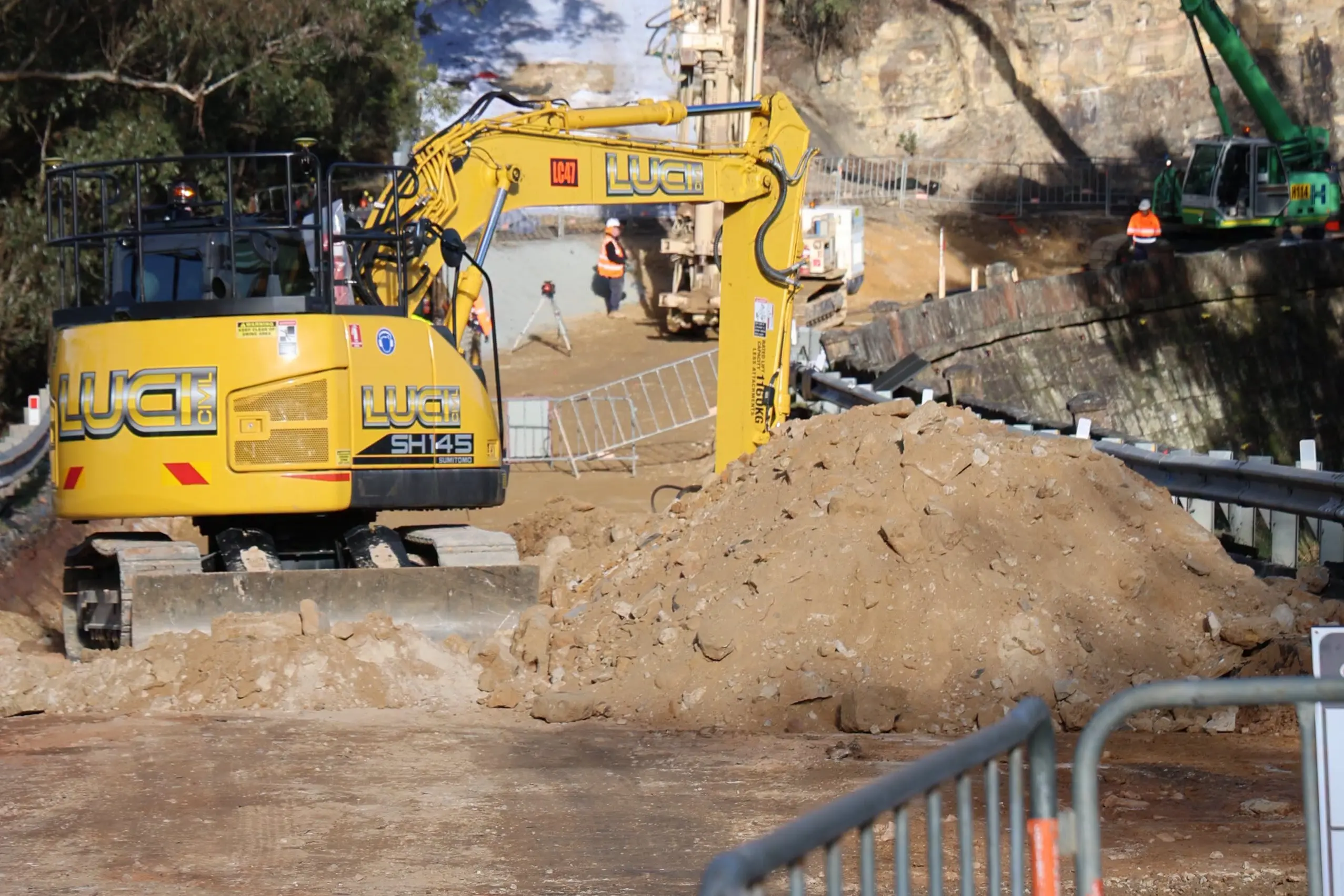
While various community groups and local politicians have welcomed the recent $100 million from the Australian government to help rebuild and future-proof the Victoria Pass, critics have highlighted the need to support further investment in the Blue Mountains corridor.
The Central NSW Joint Organisation (CNSWJO) welcomed the funding that will match the NSW government committmentcommitment and bring the total project investment to $200m.
The joint investment will also deliver an additional eastbound climbing lane on the Great Western Highway, permanently widening this critical link between the Blue Mountains and the Central West.
Cabonne Council Mayor and chair of the CNSWJO, Kevin Beatty, said the funding was welcome, substantial and long overdue.
“This is welcome news for communities, businesses and freight operators who have endured significant disruption since Victoria Pass closed in March,” Cr Beatty said.
“The Commonwealth’s contribution means the project will go beyond restoring the existing road.
“The additional eastbound climbing lane is a practical and important improvement that will make this section safer and more resilient.
“We acknowledge both governments for working together to restore this critical connection and deliver a better long-term outcome at Victoria Pass.
“But let's be clear, a major infrastructure failure should not be the trigger for serious investment in one of the state's most important east-west connections.”
Paul Toole, federal member for Bathurst, said while this support is welcome, community has been quick to call out a lack of business support after more than five months of pain and heartache for the Central West.
"Today’s long overdue funding announcement is no cause for celebration,” Mr Toole said.
“The real milestone will be the day cars and trucks are driving across Victoria Pass again,”:
Federal member for Calare Andrew Gee said while the funding announcement for the extra lane on the convict bridge (Mitchell’s Causeway) is a win, the job is not done.
"Tragically, we still have local businesses closing their doors and going broke because of this ongoing debacle," he said.
Cr Beatty said the closure of Victoria Pass had exposed what Central NSW councils have been warning about for years: the Blue Mountains corridor is constrained, vulnerable and lacks the redundancy expected for a corridor of state and national significance.
“Victoria Pass showed exactly what happens when a critical connection fails,” he said.
” Communities, freight operators, businesses and travellers all feel the impact.
"Many businesses across the Central West and Blue Mountains have spent months absorbing the consequences of the closure with limited support available to help them recover.
"For many businesses, the economic impacts did not neatly fit available assistance programs, despite the disruption being very real.
“When critical transport links fail, support for communities, businesses and local economies must reflect the scale and duration of the impact.”
The Great Western Highway remains the principal east-west connection between Sydney and the Central West.
Regional NSW helps feed Sydney, supply Sydney and power Sydney.
Yet long-term solutions to the corridor’s well-understood constraints remain unresolved.
“Fixing and improving Victoria Pass is essential, but it is not the same as fixing the corridor”, Cr Beatty said.
Moving forward, Cr Beatty said a long-term response for the Blue Mountains corridor must consider both road and rail.
“Governments continue to say more freight should move by rail, yet key rail constraints remain unresolved,” he said.
“At the same time, uncertainty around Inland Rail north of Parkes limits opportunities to reduce pressure on already constrained east-west connections.
“We are not advocating for a particular solution - what we are asking for is a genuine commitment to progressing a long-term answer for a corridor governments have long acknowledged is constrained, vulnerable and critical to the movement of people and freight."