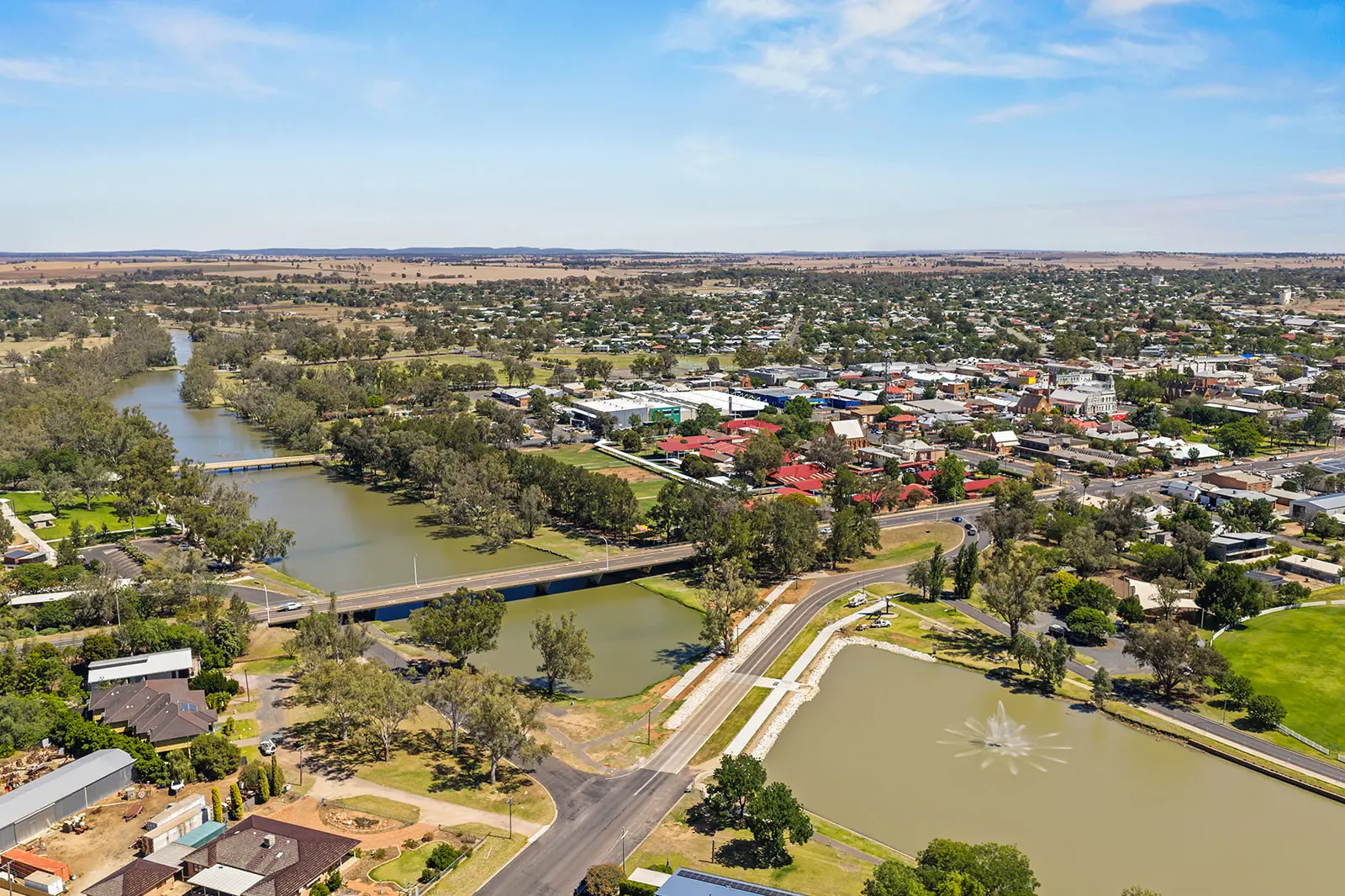
Housing has become one of the most debated issues in the Federal Budget, with concerns centred on affordability, investment and whether tax changes will improve access for first home buyers or instead reduce housing supply in regional areas like Forbes. Across regional Australia, housing demand continues to outpace supply, with low vacancy rates and steady population growth placing pressure on rental markets. Forbes, along with surrounding towns in the Central West, has seen ongoing demand from both owner occupiers and investors, supported by lower property prices compared with major cities and stronger perceived rental yields. However, proposed tax reforms targeting negative gearing and capital gains tax discounts have raised concerns among property professionals, who warn they could discourage “mum-and-dad” investors and reduce future housing supply, a local real estate has cautioned. CPA Australia has argued the changes would increase the effective tax burden on property investors, with some estimates suggesting the government would take “at least 30 per cent” of investment returns. The organisation has also linked the issue to wider concerns about wealth creation, particularly for younger Australians. It notes that many young people are increasingly limited to “earning a salary, buying a home if they can, and relying on super for retirement,” with fewer opportunities to build wealth through property or other investments. In Forbes, local real estate activity remains steady, with investor participation forming a significant part of the market. Flemings property services director, Chris Ryan, said about a third of the Forbes housing market was supported by investors, highlighting their importance in maintaining rental supply. “In Forbes, it’s again about a 30 per cent investment market there,” Mr Ryan said. “So about a third of the market is tenanted.” Mr Ryan said any tax changes were unlikely to cause a large scale exit of investors from the market, but could reduce the number of new investors entering. He said this shift would gradually change the balance of the housing market, with more properties likely to be purchased by owner occupiers rather than landlords. “I don’t think it’ll prompt a run of investors leaving the market,” he said. “But I think that 30 per cent of all sales will start to decrease a bit, and you’ll have more owner occupiers buying the properties.” Mr Ryan warned this shift could tighten rental supply. “There’ll be less rentals available, and it’ll push those rents higher," he said. Despite these concerns, Mr Ryan said regional markets like Forbes remained relatively strong compared with metropolitan areas, largely due to affordability and steady demand. He said investors continue to be attracted to regional towns because of lower entry prices and more stable returns compared with city markets, where expectations are often focused on rapid capital growth. In contrast, regional investors typically prioritise long-term rental income and steady growth rather than short term gains, which may buffer some of the impact of negative gearing changes. However, Mr Ryan said proposed changes to capital gains tax were likely to have a more noticeable impact than negative gearing reforms, as they affect a broader range of investments beyond property, including shares and business assets. He said higher capital gains taxes could make investment less attractive overall, reducing willingness to take financial risks. CPA Australia has echoed these concerns, arguing that such changes could discourage investment decisions more broadly and reduce overall economic activity. The organisation says this could have flow on effects for housing supply, affordability, and investor confidence at a time when demand for housing continues to grow. In Forbes, population growth and housing demand have remained relatively steady, supported by employment in agriculture, local services and surrounding regional industries. This has helped maintain consistent demand for rental properties, even as supply remains tight. Across the region, vacancy rates remain low, with estimates around 1 per cent in many inland NSW towns, contributing to rising rental prices and limited availability for tenants. Mr Ryan said despite uncertainty around policy changes, he remained cautiously optimistic about the long term outlook for Forbes’ property market. He said demand from both owner-occupiers and investors, along with available land for new housing, would continue to support the market. “There still will be demand from investors, and there’s also land available to buy and build a house,” he said. However, he warned that policy settings needed to carefully balance affordability goals with the need to maintain investment in housing supply.