
PHOTO
A child’s memories of being isolated on farm in the 1952 floods, navigating COVID regulations to move from Britain to Forbes during lockdowns, and favourite dresses made by Nan.
They’re just a few of the stories shared in the first collection published for the Wenzday Project, where nine writers have shared their stories of life in the shire.
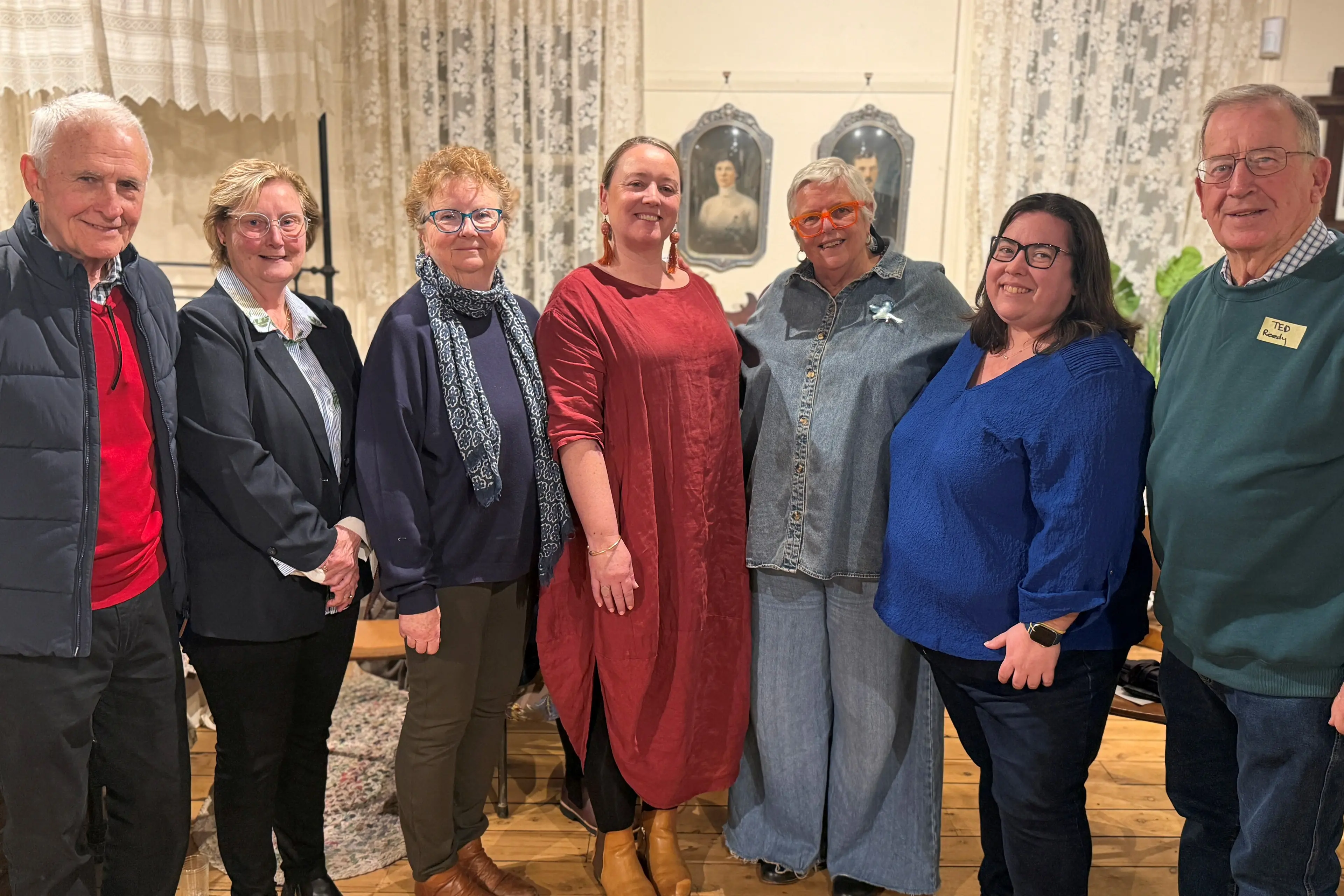
The collection went live online on the birthday of French-Australian writer Paul Wenz, and a group of the writers gathered with project lead and editor Dr Merrill Findlay to celebrate at Forbes Museum.
Paul and his wife Hettie nee Dunne made their home here on Nanima Station more than a century ago, and the museum is home to some of their books as well as artefacts they collected from international travels.
It's hoped this collection will inspire another generation of writers and a collection of prose stories by local people about life in and around Forbes in the 21st century.
One of the very special stories shared at the launch - and in the collection – is from Peter Vandeleur.
Peter spent years of his childhood at Nanima Station as his father managed the property for Hettie Wenz, and he spoke of how Madame Wenz would return to visit Nanima and gifted him items from those she and Paul had collected in their international travels.
Mr Vandeleur presented items from Nanima to the Museum to be kept in the Wenz Collection.
A little kerosene lamp, with round base so it would not tip over, a little French-made mechanical car, a couple of little cannons as well as a beautiful little handmade box were included.
Copy of a Diary of a New Chum signed by Maurice Blackburn, addressed to his parents.
In his story My Time at Nanima: 1943-1954 Peter remembers rationing, the rabbit plague and a billy cart pulled by a dog named Pluto, in a childhood he now remembers "with a high degree of fondness".
His years at Nanima included the devastating 1952 floods and central to Peter's story is his memory of the day the party-line ran hot with warnings of the water on the way down the river.
He spent on horseback the day moving cattle to high ground but was sent to a neighbour’s to wait out the flood peak while his parents stayed and kept anxious watch over the Nanima house as the water rose through the night.
From the house on the hill, "everything appeared to be covered in water as far as the eye could see", Peter wrote.
"It was like an ocean with trees."
They remained isolated but did get a message that a light plane would be flying over the area so those who needed supplies should hold out a bed sheet.
"We saw the plane that afternoon," Peter wrote.
"It flew very low, and we had a bedsheet ready. The plane circled and then dropped a sugar bag containing loaves of bread."
It was days before their father could travel to bring his children home to Nanima.
"I have no memory of arriving back at the homestead, but I do remember the flattened fences and all kinds of drums, bottles, timber, dead sheep and cattle and rubbish from farms upstream that the floodwater had redistributed," Peter wrote.
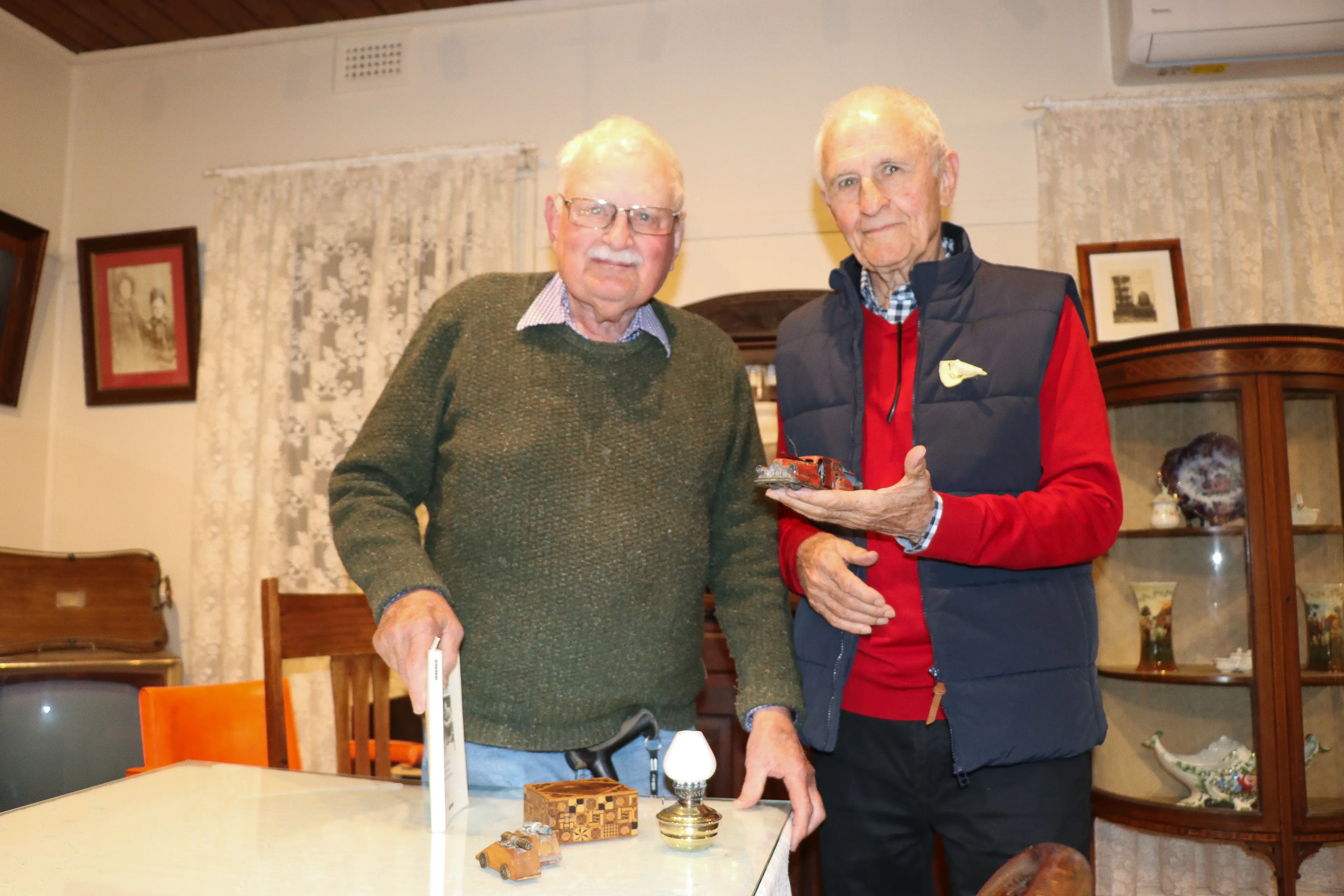
Ted Reedy, who spent his childhood at Warroo, also remembers that and other floods very well.
Growing up one of eight children on a farm by the Lachlan River, he was baptised by Padre White, developed an early love for machinery and shares a wealth of insight into what life was like.
But the Wenzday Project also has current stories and reflections on life now in Forbes.
In the other stories in the first collection:
Ted Reedy shares his lifelong fascination with machinery, and his deep family ties to Warroo, to Forbes and to the Galari-Lachlan River;
Maree Yapp reflects on the significance of the dresses her grandmother made for her when she was a child;
Di Baker remembers her country garden inspired by her love for roses and her farmer husband;
Susanne Hicks visits her partner’s family in Forbes and recounts the memories they share at the kitchen table;
Cate Honan introduces readers to a remarkable shearer who takes up ballroom dancing;
Emma Wooldridge shares her morning ritual by the Bila Galari, which connects her to both nature and to her family’s past;
Artist Karen Ritchie takes readers to Gum Swamp and introduces us to one of her favourite birds, the Great White Egret; and
Laura Hyett writes of what it took to move from Britain to Forbes during the 2021 COVID lockdown – and how she has made Forbes home.
You can read the stories online on the Wenzday Project blog: wenzdayproject.wordpress.com
Dr Findlay is now looking for the next writers in the project, with submissions due January.
If you’re inspired, the collection is looking for compelling prose stories of 500 to 5,000 words (fiction or non-fiction) set in and around Forbes Shire, about something, someone, sometime, or some place that’s important to you.
For more information, email wenzprojectforbes@gmail.com