
PHOTO
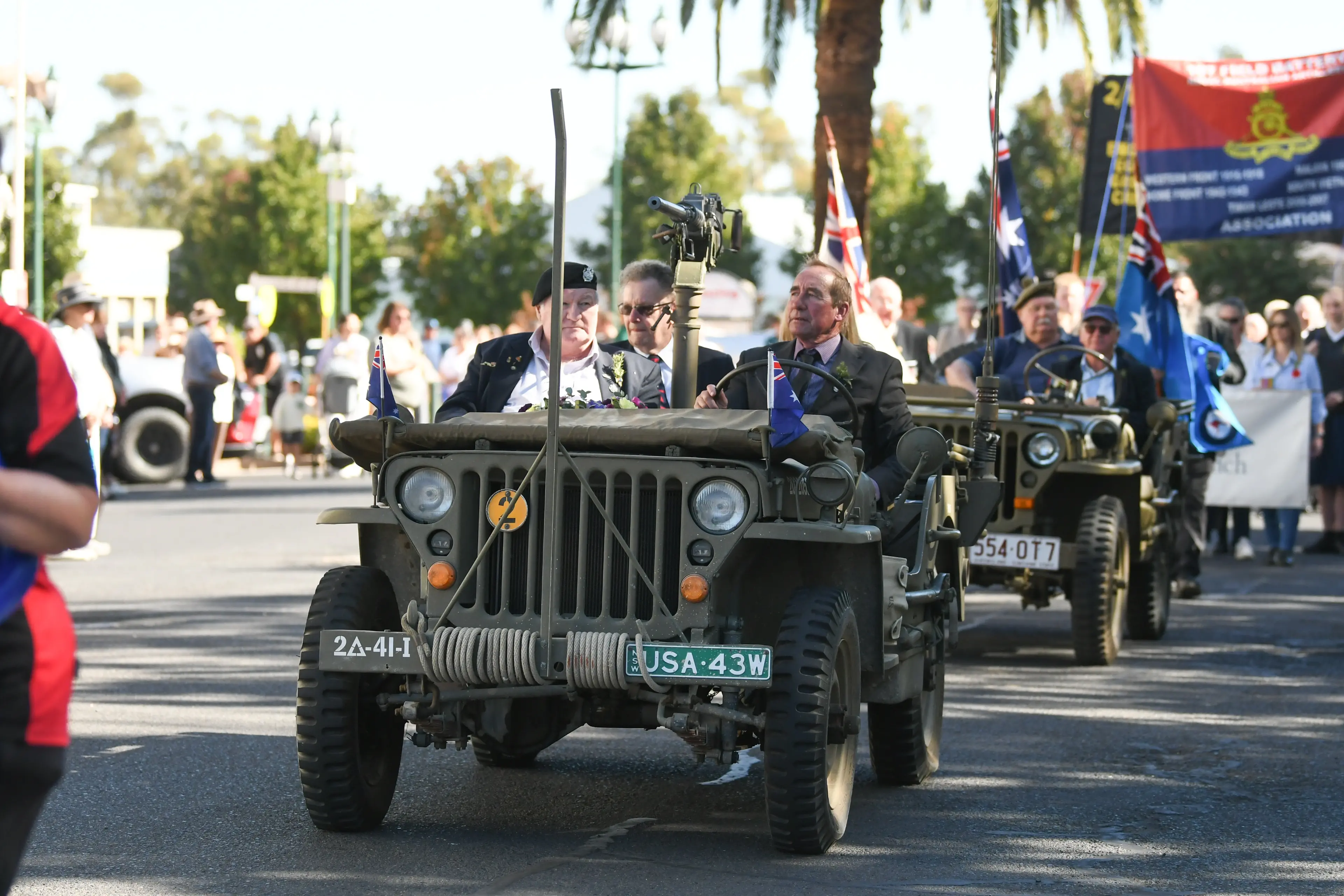
Thousands gathered in Forbes on Saturday, 25 April, to pay their respects to Australia’s service men and women as part of ANZAC Day 2026 commemorations.
The mid‑morning march and service saw locals line the streets and surround the Cenotaph, with veterans, families, students and community groups coming together under sunny skies to mark the anniversary of the landing at Gallipoli in 1915.
The commemorations opened with a moving performance of The Band Played Waltzing Matilda by Em Kitson, setting a reflective tone for the service and drawing a hush over the large crowd.
Dozens of wreaths were laid on the Cenotaph in tribute, by local organisations, community groups, schools and families.
The bugler sounded the Reveille and Last Post, and the crowd stood for the national anthems of New Zealand and Australia.
Central to the service was a commemorative address delivered by Red Bend Catholic College students Max Reid and Gabriella Pereira, who reflected on the enduring ANZAC legacy and the way it has shaped the nation and its communities.
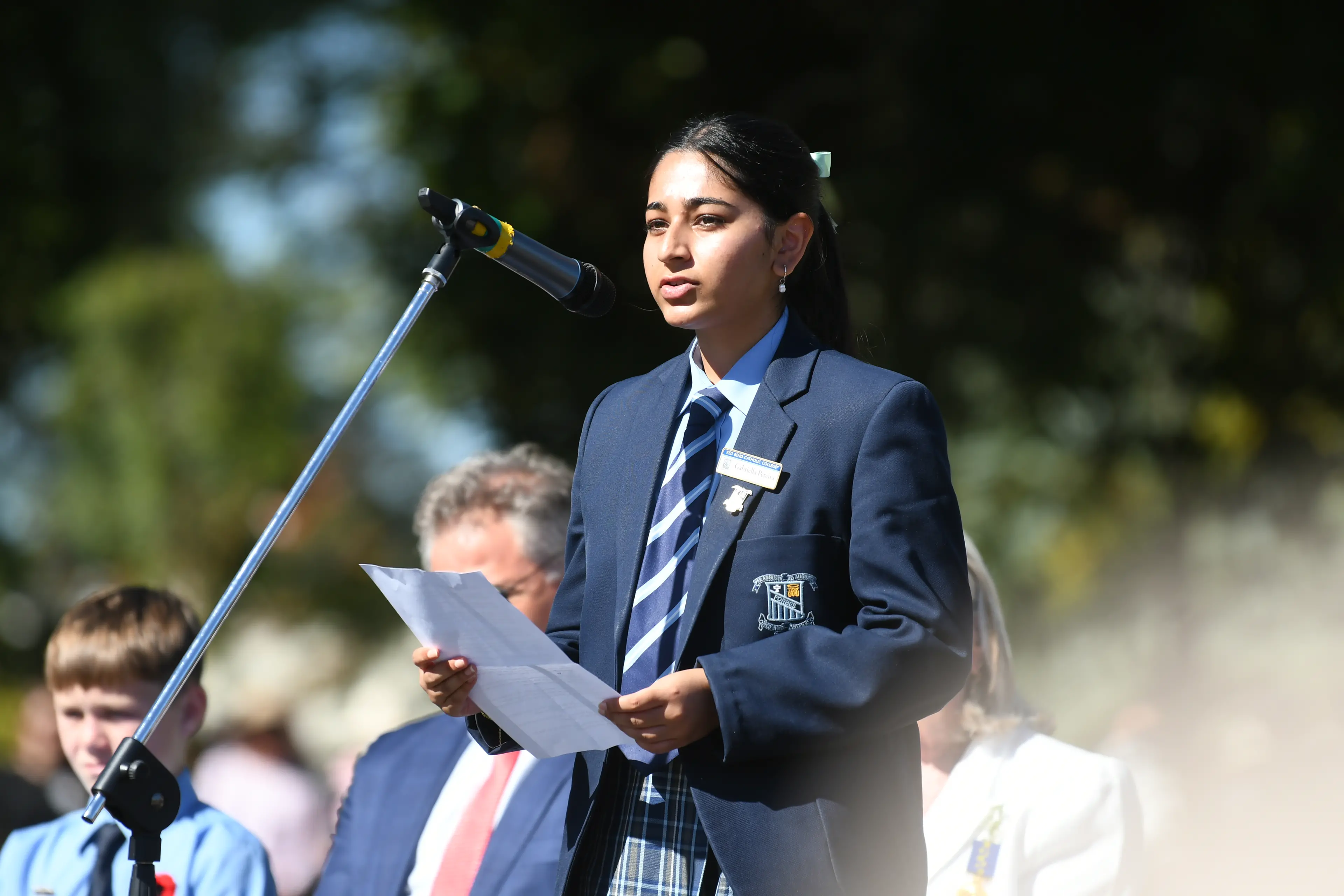
Gabriella said the young age of so many Australians who enlisted during the world wars had left a lasting impression on her, when she visited the Australian War Memorial with her family.
On the anniversary of the Gallipoli landing, she reflected on the long and brutal campaign that followed 25 April 1915 - one marked by hardship, endurance and loss.
"Now at 18, this fact still astounds me, perhaps even more so as I compare my own struggles of school, work and social life with the reality they faced," Gabriella said.
"It’s in this contrast that I feel a deeper admiration for their bravery, resilience and sheer courage."
As a second generation migrant, Gabriella said her connection to ANZAC Day was shaped by gratitude.
"Our connection to ANZAC day may not always come from family history but from a deep sense of gratitude for the life we are able to live here in a country defined by freedom, stability and opportunity made possible through the sacrifices of those who served," she said.
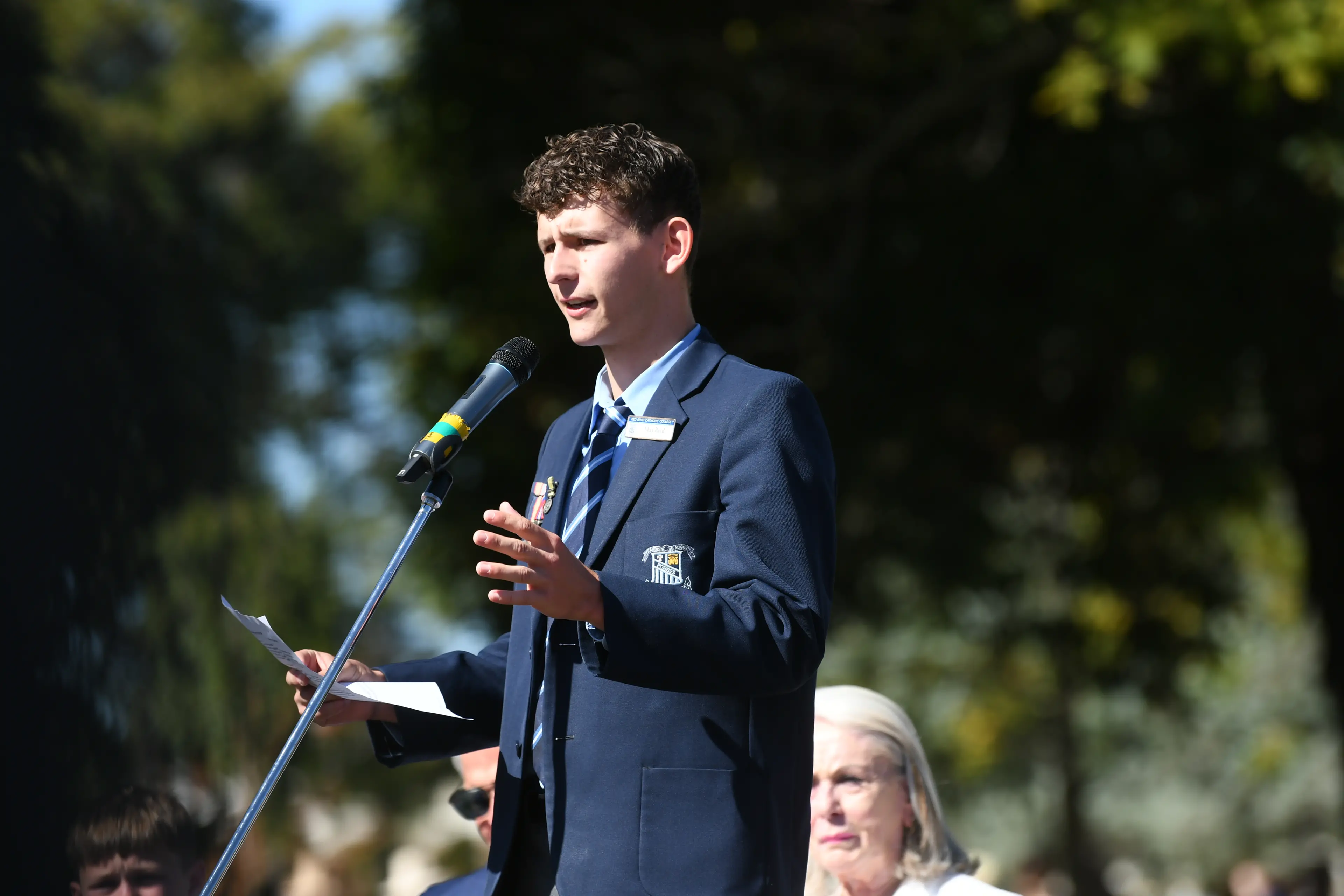
Max Reid, inspired by conversations with his grandfather, spoke about the importance of community and the shared sacrifice of those who served overseas and those who supported the nation from home.
He reflected on post‑war Australia, when rationing meant families were limited in staples such as meat, butter and bread, but neighbours looked after one another and exchanged ration coupons based on need.
"That’s what those men and women were actually fighting for: not a flag, not a border, a way of life, a community where people show up for each other," Max said.
He also acknowledged the lasting cost of service - borne not only by those who lost their lives, but by those who returned home changed forever.
"We remember the fallen, but we also show up for the living: that’s the other half of Lest we Forget," he said.