
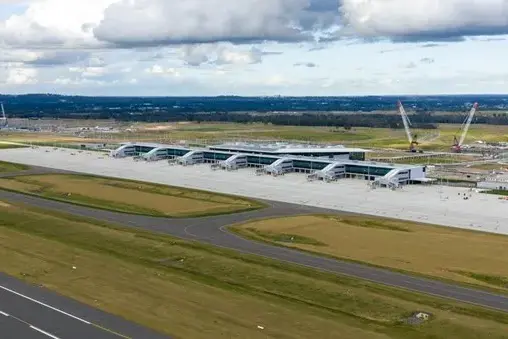
Sydney is preparing for its biggest aviation shift in decades. Western Sydney International Airport at Badgerys Creek is moving rapidly toward completion, with runway testing underway and airlines finalising early operations. For travelers, the opening is less about ceremony and more about decisions. Which airport will be faster to reach? Which routes will be cheaper? And how will getting across Greater Sydney change once flights begin in late 2026?
A Second Airport Changes How Sydney Moves
Travelers used to juggling packed terminals at Mascot are already watching developments closely. Anyone planning complex itineraries or even chartering a private plane will soon have more flexibility as Western Sydney gains direct aviation access without the traditional curfew limits.
After decades of relying on Kingsford Smith Airport, Sydney is preparing for a second gateway designed to absorb growth. Slot restrictions and late-night curfews have constrained airline expansion for years. A new airport introduces scheduling freedom while offering western suburbs residents an option far closer to home.
Aircraft will operate around the clock, opening possibilities for overnight arrivals and departures that previously required tight coordination. For airlines, flexibility matters. For passengers, it often means better prices and more convenient flight times.
Where It Is and Why Location Matters
The airport sits roughly 45 kilometres west of Sydney’s CBD near Liverpool, Penrith, and rapidly expanding residential corridors. For families in Camden or workers commuting through Parramatta’s commercial districts, early departures may no longer mean crossing the entire city before sunrise.
Visitors staying in western Sydney hotels or attending events at Olympic Park could see major time savings. Travelers heading toward Bondi or the eastern suburbs should expect a longer transfer compared with Mascot. Choosing an airport may soon depend as much on accommodation location as airline loyalty.
Ride times rather than runway preference may become the deciding factor. A Penrith resident could reach Badgerys Creek faster than many eastern suburbs travelers currently reach Mascot during peak traffic.
Airlines and Routes in the Early Years
Airlines are approaching the launch carefully but with clear interest. Qantas has confirmed Jetstar domestic operations, while several international carriers have signalled plans to enter once passenger demand settles.
Early schedules are expected to favour domestic routes and short to medium-haul international destinations across Asia and the Pacific. Bali, Singapore, and Auckland are widely tipped as early contenders for competitive pricing. Long-haul services to Europe or North America will likely follow after airlines assess passenger numbers and freight demand.
Getting There Without Stress
Transport access has shaped much of the planning conversation. The new M12 Motorway will provide a direct connection to Sydney’s motorway network, linking drivers quickly to the M7 and M4 corridors without suburban detours.
The rail arrives alongside the airport. The Sydney Metro Western Sydney Airport line is scheduled to open with passenger services, connecting St Marys directly to the terminal. Early travelers should still allow extra time during the first months while services settle into routine frequency and navigation apps update pickup zones.
Driving Versus Public Transport
Western Sydney motorists may find the experience closer to a regional airport run than a city commute. CBD travelers, meanwhile, may rely more heavily on rail transfers.
Inside the Terminal Experience
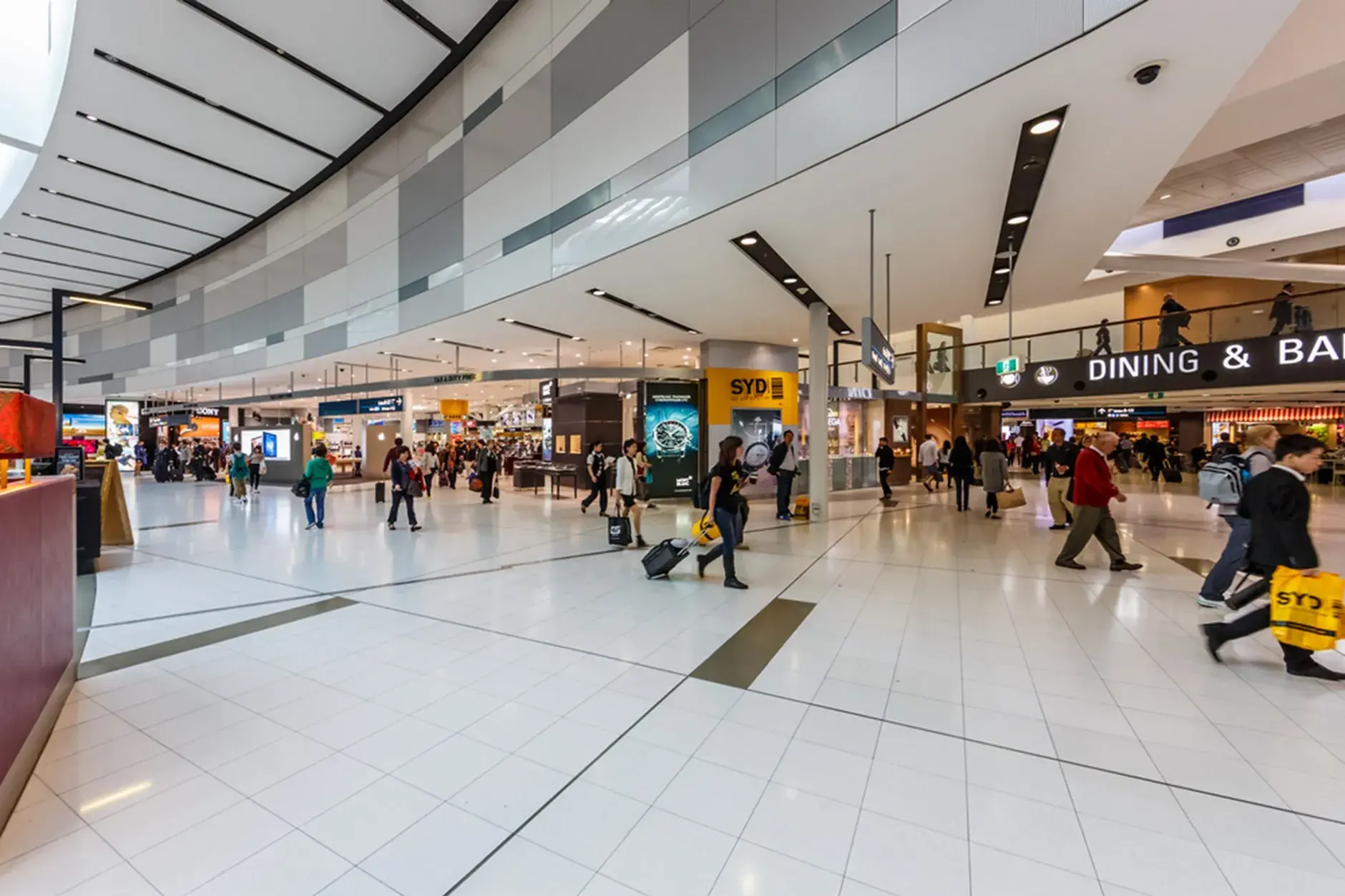
Designers have taken a practical approach compared with older Australian terminals. The layout prioritises shorter walking distances and clear sightlines between check-in, screening, and departure gates.
Large windows introduce natural light throughout the concourse, reducing congestion pressure during peak periods. Border processing is expected to rely heavily on automated biometric systems already trialled elsewhere in Australia, helping streamline passport control and baggage collection.
The emphasis is on efficiency rather than spectacle. Holiday travelers moving through at busy times will likely notice the difference first.
Flights at Any Hour
Unlike Kingsford Smith Airport, Western Sydney International will operate without a curfew. That single policy change reshapes airline scheduling options.
Overnight arrivals from Asia or the Middle East become easier to coordinate with connecting flights, while late departures allow aircraft to maximize daily usage. Travelers may see cheaper red-eye options or arrivals timed for same-day business meetings.
Nearby communities have raised aircraft noise concerns, though planners designed flight paths to limit impact across densely populated suburbs. How that balance performs in practice will become clearer once operations begin.
What It Means for Prices and Competition
Additional runway capacity usually drives competition. Analysts expect pressure on fares across domestic routes such as Melbourne, Brisbane, and the Gold Coast once airlines spread services across both Sydney airports.
Freight operators are also watching closely. Faster cargo handling could encourage exporters across western Sydney and regional New South Wales to relocate logistics nearby. Increased freight traffic often strengthens passenger route expansion.
Planning Your First Trip Through the Airport
Travelers booking flights during the first year should allow extra buffer time. New airports typically require small adjustments as baggage systems and passenger flow settle into a rhythm.
Booking parking ahead of school holidays may prove essential as curiosity drives early passenger numbers. Rideshare pickup zones may differ from familiar layouts, so confirming locations before arrival will save frustration. Not because the airport is expected to struggle, but because unfamiliar spaces slow everyone down at first.
A Long-Term Shift for Western Sydney
The airport anchors a broader development plan known as the Western Sydney Aerotropolis, bringing warehousing, advanced manufacturing, and research facilities closer to new transport links. For residents, the promise is employment closer to home and fewer cross-city commutes. For travelers, expansion will unfold gradually. Western Sydney International is not simply overflowing capacity for Mascot. As airlines add routes and businesses cluster nearby, choosing between Sydney’s airports may soon feel as routine as choosing between terminals today.