PHOTO
Construction is beginning on a $7.6 million project to ensure water reliability and boost drought resilience.
The funding includes $4.6 million from the NSW Government and $3 million from Forbes Shire Council to deliver two new production bores, two test bores and a 5.3km duplication pipeline, which will run alongside the existing one that pumps water from the borefield to the Forbes Water Treatment Plant.
Forbes Shire Council Mayor, Phyllis Miller said the council was grateful for the NSW Government funding to get on with the job of finalising the project.
“No one in our community will forget the last drought when water in the Lachlan River was so low we had to rely on two emergency bores for six months, which was a struggle," Mayor Miller said.
“That’s why we’re doing everything we can to expand our existing network to ensure we have the right infrastructure at hand to continue delivering safer and more secure water to residents no matter what comes our way.”
While the Lachlan River is the region's main water supply, the town switches to bore water during dry periods when water in the river is too low or unsuitable for treatment.
The existing three bores and pipeline can only provide up to 10ML of water per day, which is not enough to service the town during peak demand periods when daily water consumption can reach up to 17ML.
The new infrastructure will significantly increase capacity by up to 80 per cent and provide a more robust water network that will ease pressure on the system and ensure residents have enough water to withstand the dry spells.
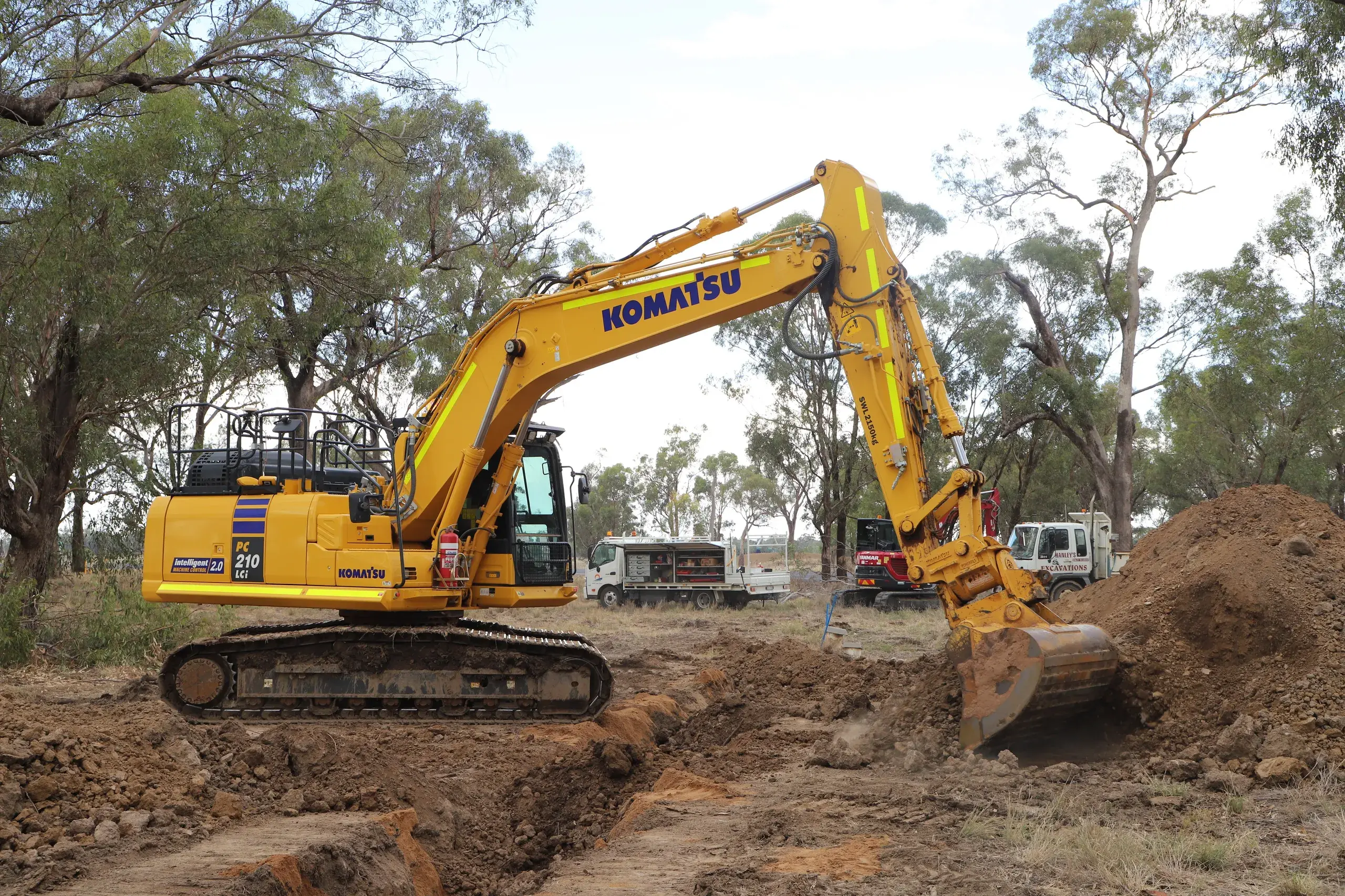
Construction of the Forbes Water Supply Scheme is expected to be finished in October 2027.
The nearly $5 million in funding is part of the NSW Government’s Safe and Secure Water Program, supporting up to $1 billion in water infrastructure projects across the state. More than 260 projects are currently in various stages of delivery.
NSW DCCEEW Director of Grants Programs, Kirsty Fenton acknowledged Forbes was one of many central west communities hit hard by the last drought.
“New infrastructure is the key to putting towns like Forbes in a stronger position to manage critical town water supply during a drought emergency," Ms Fenton said.
“It’s great to see shovels in the ground and I look forward to seeing it cross the finish line to help put the community on the front foot when the next dry spell hits.”