PHOTO
It's a Census year and the Australian Bureau of Statistics (ABS) is now hiring more than 2,700 field managers.
Census National Spokesperson, Emily Walter, said field managers would be hired locally, where possible, to provide valuable local knowledge and support to Census staff on the ground in communities.
“To run a successful Census, we need to reach everyone across Australia, from our capital cities to our most remote towns,” Ms Walter said.
“While we expect most people will choose to complete the Census online, there are many people who will require extra support. Field Managers will play a key role in providing this support.”
Census night is 11 August and field managers play a critical role in helping communities across Australia complete the Census.
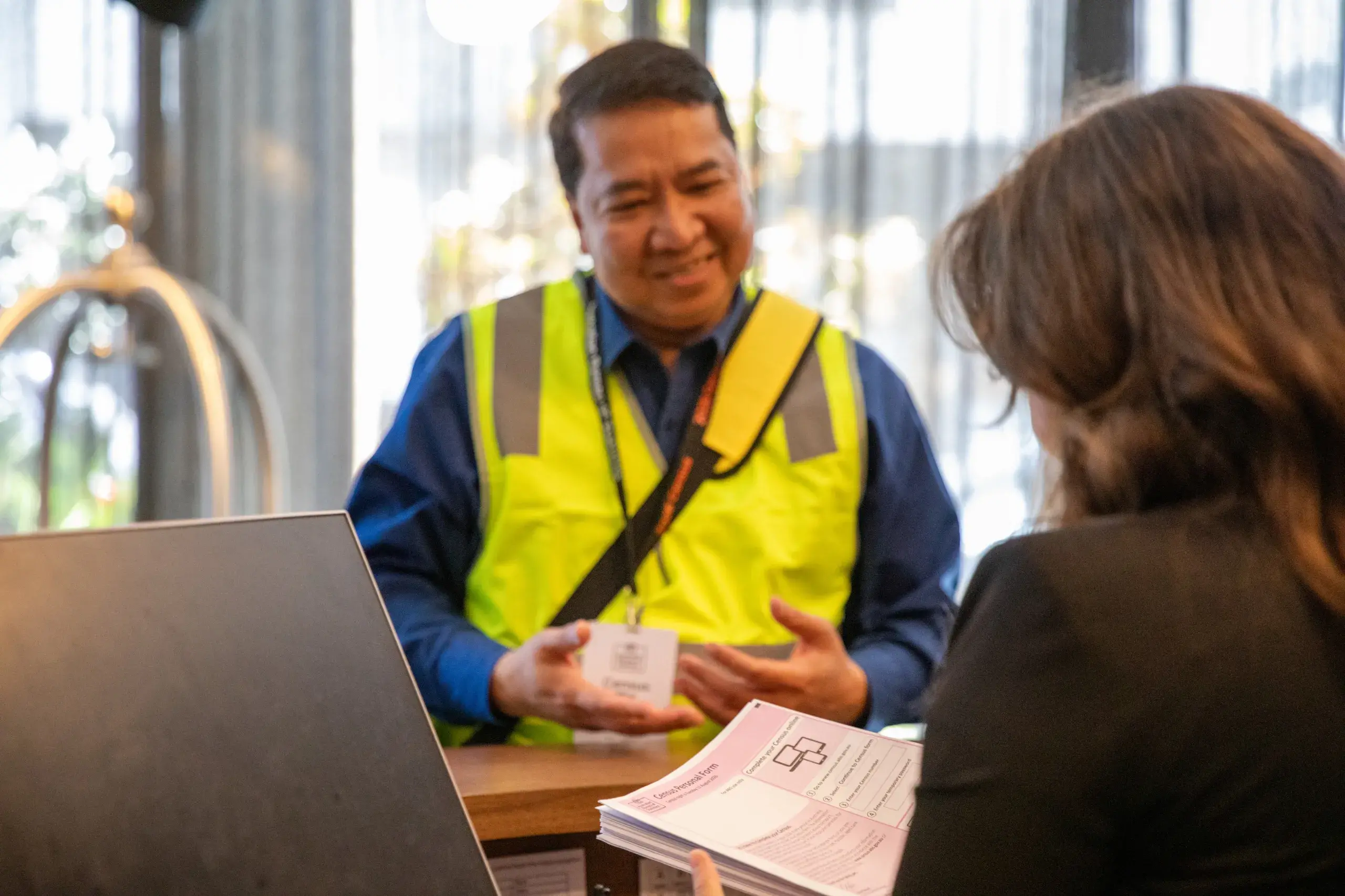
Each manager will train, lead and manage a team of up to 12 field officers in their local area, they will also help places like local hotels, hospitals and caravan parks to prepare for the Census because not everyone will be in a house on Census night.
“We’re looking for people who have experience training and supervising teams, and who are interested in flexible, temporary work beginning in April 2026,” Ms Walter said.
The ABS is also currently hiring local engagement officers, looking for people who have experience working with diverse communities, including people experiencing homelessness, Aboriginal and Torres Strait Islander peoples, people from culturally and linguistically diverse backgrounds, and people who speak languages other than English.
In coming weeks, the ABS will also open applications for mobile field representatives, remote area management team members and team leaders, and community field officers.
People can visit www.census.abs.gov.au/jobs for more information and to join the 2026 Census Talent Community to be notified about future Census jobs.
What is the Census?
The Census is the most comprehensive picture of Australia’s population and housing. Census data tells us about the economic, social and cultural make-up of the nation.
How is Census data used?
Census data informs important decisions about transport, schools, health care, infrastructure and business.
It also helps plan local services for individuals, families and communities.
For example, knowing the number of people living in regional and remote areas informs where doctors are needed, and understanding local births and languages spoken at home links Australians to the community services they need.
Topics for 2026
The ABS has published the 2026 topics and data release plan, which outlines the questions that will be included in the 2026 Census.
Following a comprehensive review, the 2026 Census will include new questions on gender and sexual orientation.
The ABS says these updates will provide valuable insights into the experiences of LGBTQ+ Australians and support the development and delivery of targeted health and social programs and services.
Changes have also been made to existing questions to improve data quality and ensure inclusivity. These include:
Allowing respondents to report up to four ancestries;
Enhancing the third response option on the sex recorded at birth question;
Updating the wording of the Country of birth of parents questions.
The question on number of children a woman has given birth to will return to a once-per-decade collection and will not be included in the 2026 Census.
Other topics include Aboriginal and Torres Strait Islander peoples; cultural diversity; disability and carers; education and training; health; household and families; housing; income, work and service in the Australian Defence Force; location; population; transport; unpaid work and care.