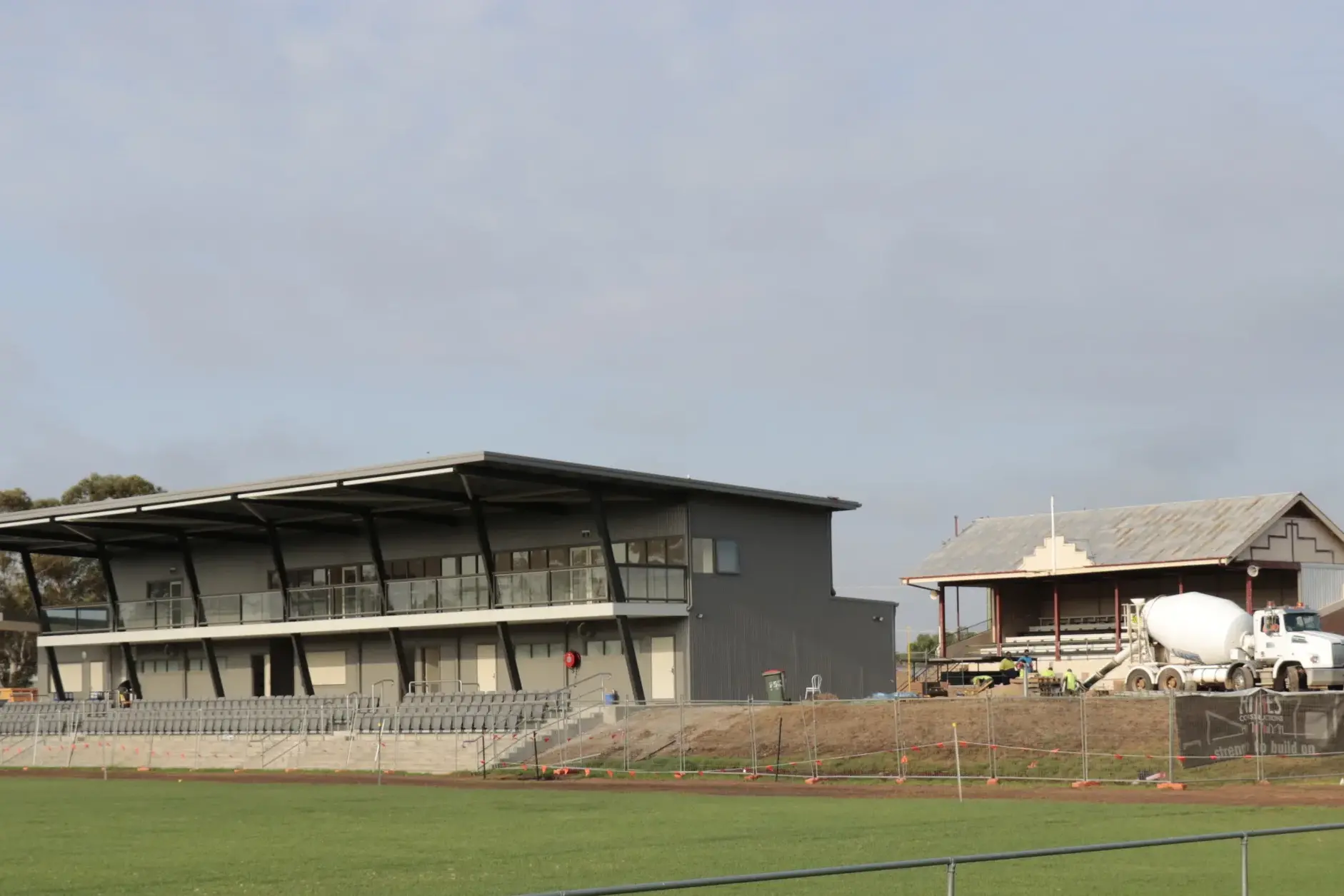
Forbes is to bid farewell to the old Spooner Oval grandstand in the coming week, marking the end of an important chapter in the town’s sporting and social history.

Built in 1938, the grandstand has played a central role in Forbes’ sporting and social history for generations.

While fondly remembered, it has been deemed no longer safe or suitable for current use or for future plans for the precinct, Forbes Shire Council has said.

With the new grandstand ready for the upcoming footy season, the original is scheduled for demolition next week.

Some key building elements from the old grandstand will be repurposed in the new facility.

Although the grandstand was not heritage listed, the council's heritage advisor has - in collaboration with the Forbes Heritage Committee - prepared an archival record of the old grandstand to ensure its history is preserved for future generations.

Council is now calling on the community to help enrich this record by sharing photographs, newspaper articles, stories and other memorabilia featuring the Spooner Oval grandstand.

Over the years, Spooner Oval has been used as a cricket ground and dog track, before becoming home to the local rugby league club - Forbes Magpies.

Originally constructed under the National Works Scheme, it was officially opened by the then NSW Minister for Works and Local Government, the Honorable ES Spooner who served from 1935 to 1939.

Community contributions towards the historic record can be submitted via email to development@forbes.nsw.gov.au

Forbes Shire Mayor Phyllis Miller OAM said the council wanted to ensure its history would not be forgotten.

“So many locals have great memories tied to the old grandstand," she said.

“I’d like to encourage locals to share their photos, news clippings and memorabilia to help preserve its story as we move into Spooners next chapter.”

The new grandstand has been designed to better serve teams, players and spectators alike and is positioned closer to the field.

The new Spooner Oval Grandstand and facilities are funded by the Australian Government through the Local Roads and Community Infrastructure Program and the NSW Government through the Stronger Country Communities Fund and Regional Sport Facility Fund.